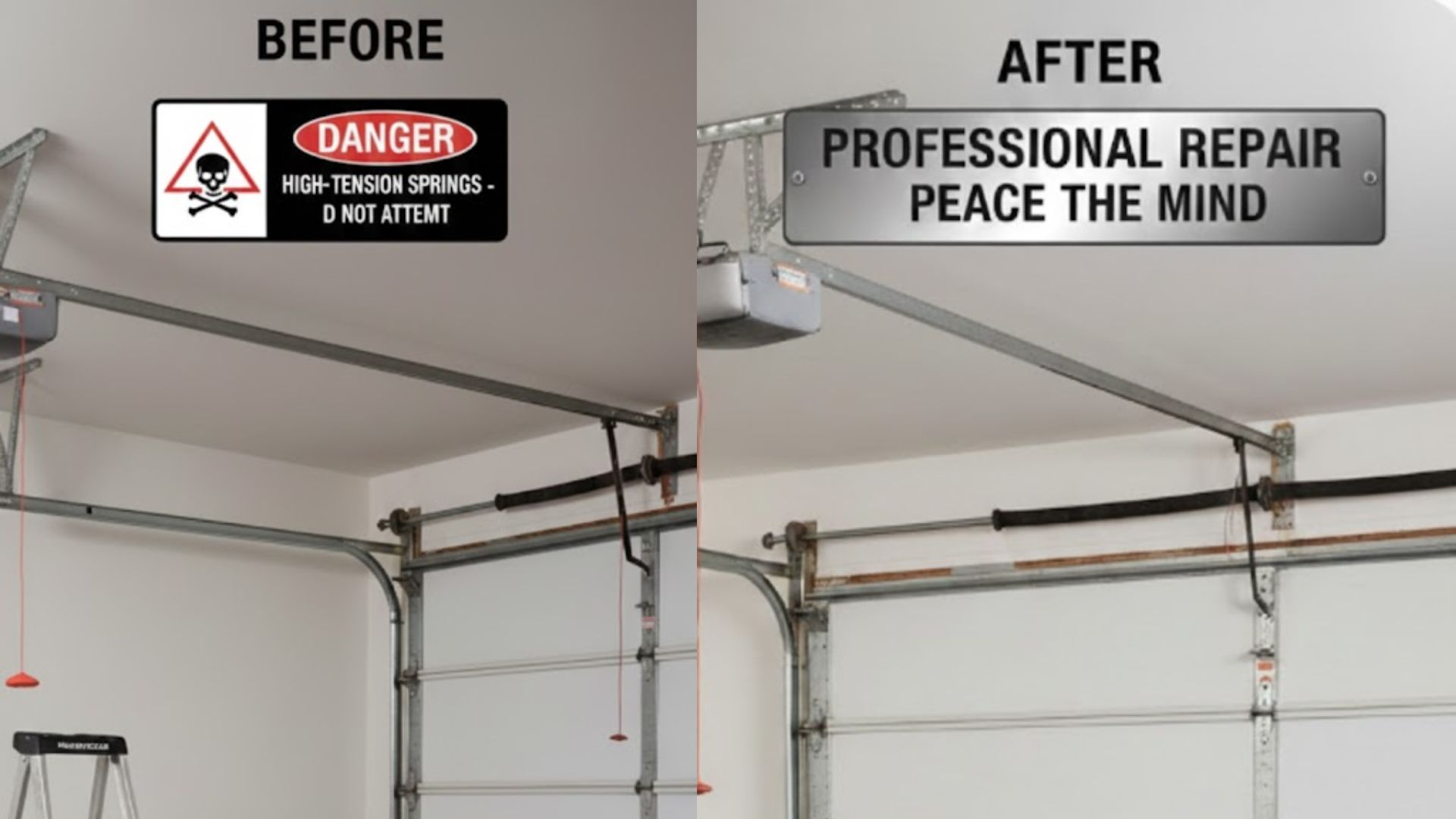
You may be tempted to pick up a wrench and watch a YouTube video to try to repair your garage door. It’s true that DIY projects can save you money. But a garage door in need of repair is frustrating. Not all DIY garage-door fixes are secure. Some of the most common garage door repairs homeowners make can be dangerous.
In the U.S. homeowners often underestimate just how hazardous certain DIY repairs can be. The garage door is a heavy mechanical system with cables, springs and openers that are under tension. Small mistakes can cause serious injury or damage to the door. This guide will highlight some of the dangerous garage door DIY mistakes why they are dangerous and provide safe alternatives.
What Makes DIY Garage Door Repairs Tempting?
Many homeowners attempt garage door DIY fixes because:
Online tutorials are easy to follow and make the process look simple.
When a door won’t or jams, people are in a rush.
While these reasons are understandable, garage doors are not simple DIY projects. Small mistakes can lead to broken springs, fingers crushed or openers damaged. Understanding which repairs are hazardous and why will help you avoid serious injuries and unneeded expenses.
What are the most dangerous DIY garage door fixes?
Here are the most common DIY mistakes homeowners make, and why they should be avoided.
1. How to replace or adjust springs
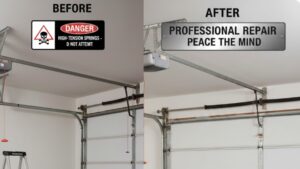
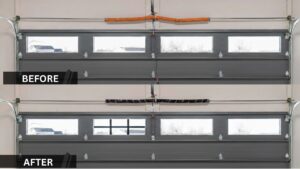
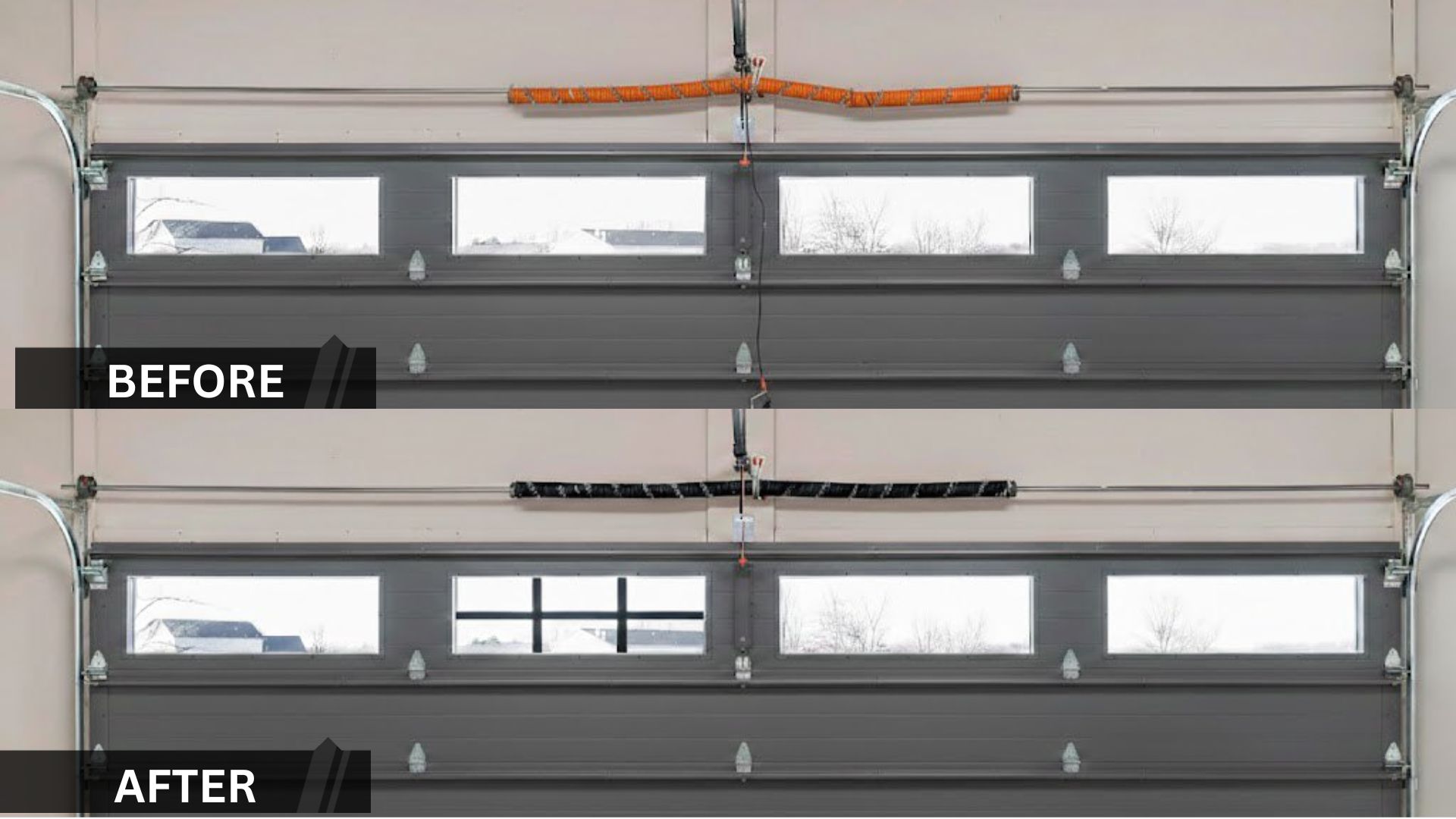
The garage door springs will be under extreme tension. The springs located on the top of the garage door and the extension springs that run along the side store a lot of energy. That can cause serious injury if released incorrectly.
This is why it’s dangerous
Springs can break suddenly and cause deep wounds or fractures.
An incorrect installation may cause the door to be off-balance, putting strain on other components.
Even experienced DIYers should avoid DIY garage door spring repair unless they have professional training and specialized tools.
2. Cable Replacement or Adjustment
The door is lifted safely by springs and cables. Cables are often thought to be easy to install by homeowners.
This is a risky move:
The cables are subjected to high tension, and they can suddenly lash out.
The door can fall out of the frame if you make an incorrect adjustment
The door opener and panels can be damaged by cables that are damaged
To ensure safety, only leave the replacement of cables or cable adjustments to qualified technicians.
3. Force a stuck or jammed door
It’s common to push, pull and lift a door that’s stuck on the tracks. While it might seem harmless, forcing a garage door is one of the most dangerous DIY mistakes.
Possible consequences
Panels that bend or warp
Damage to the opener motor
Sudden door drops causing injury
Forcing the door to move can significantly reduce its life expectancy, even if it eventually does.
4. The Disabling of Safety Sensors
Modern garage doors include safety sensors that prevent the door from closing on objects or people. Many homeowners temporarily disable the sensors to solve a small problem.
This is why it’s dangerous
Safety sensors are essential for children and pets, as they can prevent serious accidents.
The risk of injury increases when sensors are disabled
The tampering of a device can cause malfunctions that require costly repair
Leave sensor problems to the professionals. They can diagnose and repair them safely.
5. Do-it-yourself Opener Repair
Garage door openers are made up of motors, wires and moving components. DIYers often attempt to replace or repair components.
Included in the risks are:
Electric shocks caused by incorrect wiring
Damage to the opener and voiding warranty
Unpredictable door movement during repair
Only certified technicians should handle minor adjustments to openers.
What Makes These Homemade Fixes So Dangerous?
Garage doors combine heavy moving parts, high-tension springs and electricity. A simple misstep can lead to: Simple mistakes can cause:
Broken bones
Snapping springs or cables can cause eye injuries.
Straining muscles or crushing fingers
Damage to door opener or the door
The reality is that not all garage door problems are DIY-friendly no matter how confident you feel.
Safe Alternatives for Homeowners
There’s no need to be alarmed if you have a minor problem with your garage door. Homeowners can perform low-risk safe actions:
If you have a problem with your opener check the power or batteries.
Take out any obvious debris – small leaves or objects that block the door’s movement can be removed.
Lubricate rollers and hinges – For smoother movement, use lubricants based on silicone or lithium.
Visual Inspection – Look for loose bolts and misaligned track without touching the springs or cables.
This method is safe and effective for minor repairs.
Why You Should Call A Professional
Some garage door problems require expert attention:
Broken or worn springs
Cables that snap or tracks misaligned
Opening the door with a malfunctioning opener that will not reset
Door that will not stay open, or moves unevenly
Garage door professionals have the training, tools and safety protocols necessary to quickly fix potentially dangerous issues. It is not worth it to try these repairs on your own.
Why Awareness Saves Money and Injury
Garage doors are a common source of DIY projects to cut costs. However the hidden dangers in garage door systems make these efforts counterproductive. The cost of professional services can be far more expensive than the costs associated with emergency repairs, medical expenses, and permanent damage to garage doors.
By understanding DIY garage door fixes dangerous situations, homeowners can prevent accidents, prolong their door’s lifespan and ensure smooth operation.
Conclusion:
DIY garage door repairs may seem convenient, but they are often more dangerous than homeowners realize. Spring, openers, cables and high-tension electrical components can be dangerous.
Cleaning, lubrication and visual checks are all safe alternatives that can be used to maintain the door. However professional service is essential for high-risk repairs. Your safety is worth more than saving a few dollars or a couple of hours on a do-it-yourself project.