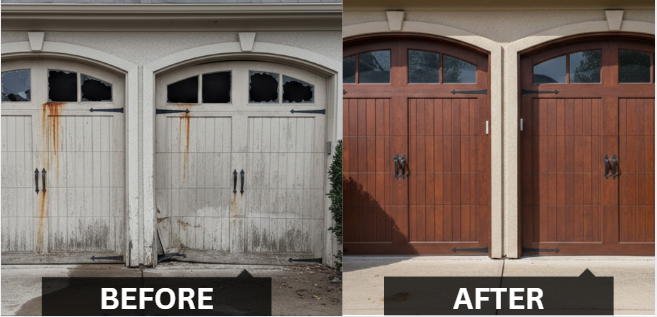
Most homeowners imagine roofs, siding and windows when they think of extreme weather damages. Most people don’t think much about garage doors repair until they have to deal with a problem.
Garage doors are failing more frequently than expected across the United States due to changing weather patterns, extreme temperatures and climate changes. Weather plays a bigger part in garage door performance that most people are aware of. From hot summers in Southwest, to cold winters in Midwest and strong storms on the coast.
Understanding garage door problems caused by extreme weather can help you avoid sudden breakdowns, expensive repairs and potential safety risks. This guide will explain how the weather impacts garage doors and what you should do to keep them protected all year round.
Extreme Weather in the U.S. How extreme weather impacts garage doors
The garage door is a large mechanical system made up of steel springs and rollers. It also has electronic components, cable, track and cables. These parts are constantly under stress because they’re exposed to extreme weather conditions.
Below are the most common weather conditions in the U.S. and how they contribute togarage door weather damage.
Extreme Heat: A Silent Garage Door Killer
Summer temperatures in states such as Texas, Arizona and California often surpass 100degF. Heat can cause serious damage to your garage door system.
The effect of heat on your garage door
The metal expands and causes the tracks to be out of alignment. Spring tension is reduced faster.
Lubricants can dry up, increasing friction.
Garage door openers can overheat, and they may malfunction.
Over time, this leads to extreme weather garage door issues such as jerky movement, loud operation and doors that won’t close properly.
Tips for prevention
Lubricate moving parts with heat-resistant grease
Schedule summer tune-ups
Insulate garage doors for hot climates
Snowy and freezing winters
Extreme cold is a challenge that homeowners in the Midwest and Northeast face.
Cold weather failures
Steel contracts, cables and stressing springs
The tracks are blocked by frozen moisture
Rubber seals can crack and become brittle
Cold weakens older garage door springs
Winter is one of the leading causes of garage door problems during winter and summer especially when doors are already worn.
Tips for prevention
Dry and clean your tracks
Install new springs in aging springs prior to winter
Weather seals should be inspected annually
Heavy rain, flooding and moisture damage
High humidity is common in humid climates, such as Florida, Louisiana and the coastal states.
Following are moisture-related problems
Springs, rollers and hinges rusted
Warped wooden garage doors
Problems with sensors and openers
Left untreated, moisture leads to long-term garage door repair after storm situations that could have been avoided with routine care.
Tips for prevention
Use rust resistant coatings
Repair damaged weather strips
Protect or elevate openers in garages prone to flooding
Hurricanes, high winds and storms
Garage doors are under enormous stress when strong winds blow, particularly those with a single panel or that have not been reinforced.
Damage caused by wind can include:
Bent panels
Track Separation
Complete door collapse during hurricanes
A damaged garage door can compromise your entire home’s structural integrity making garage door maintenance in extreme weather essential in storm-prone areas.
Tips for prevention
Wind-resistant or reinforced doors
Add bracing kits
Plan inspections for before the storm season
What Causes Garage Doors to Fail More Often Than Other Home Features?
The garage door moves multiple times per day, and it is dependent on exact balance. If extreme weather damages even one part of the system, it becomes susceptible.
Common failure points include:
Springs are under tension
Dirt and moisture on rollers
Expanding and contracting tracks
This is why how weather affects garage doors is a critical concern for homeowners who want reliability and safety.
Garage Door Repairs for Extreme Weather
What’s the good news? The good news is that most weather-related problems can be prevented with some proactive measures.
Checklist for Homeowner Maintenance
Seasonal lubrication of springs, hinges and rollers
Check cables and tracks visually
Check the door balance at least twice per year
Clean debris after storms
These simple steps help protect the garage door from extreme weather and extend its lifespan.
Why You Should Call A Professional Garage Door Tech
Some problems can be solved by DIY, but others require professional attention. If you see:
Noisy banging and snapping noises
Uneven door movement
Springs that are rusted or stretched
The door slams shut or struggles to open
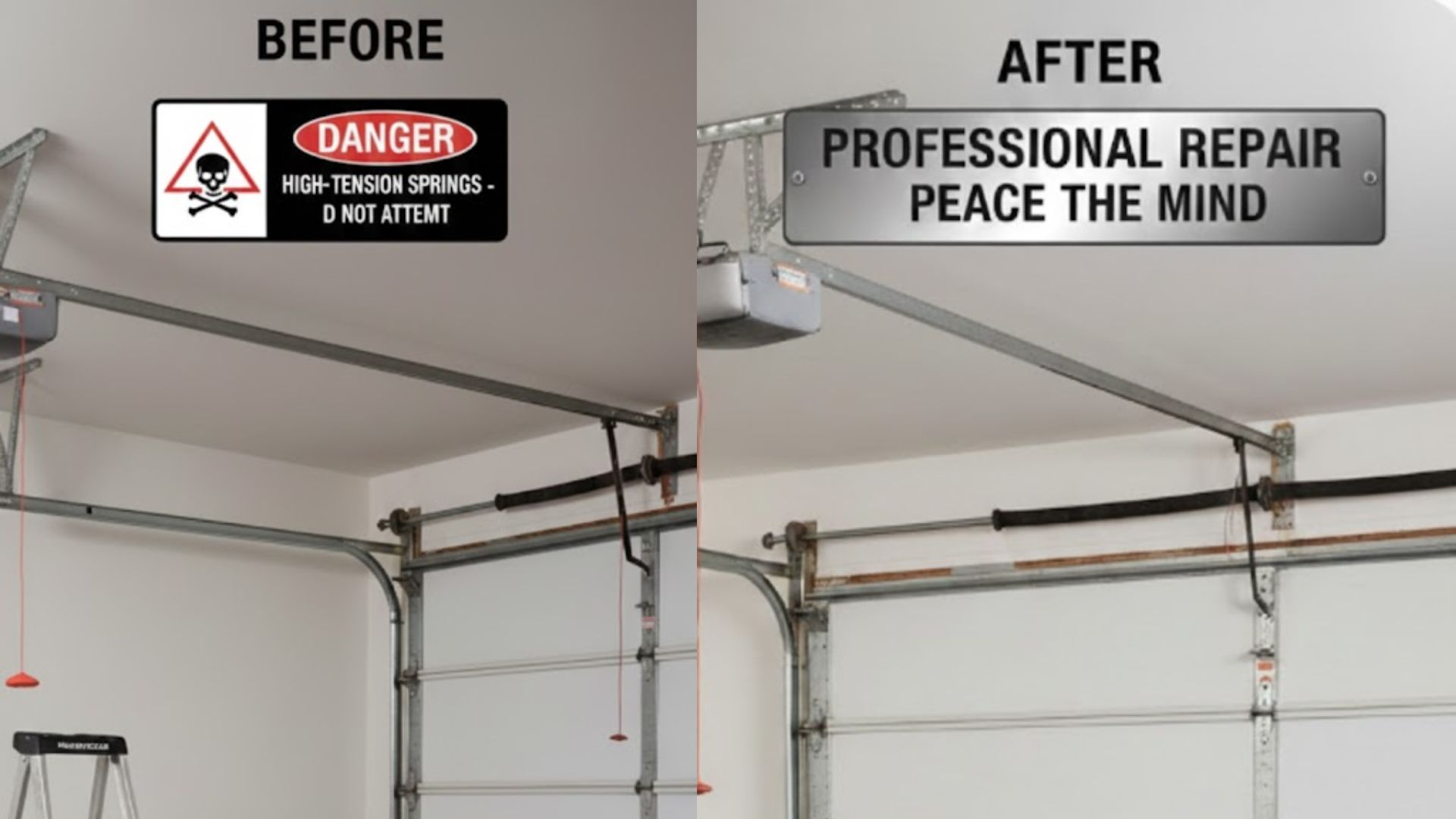
It can be hazardous to attempt advanced repairs, especially with springs or cables.
Professional inspections are essential for preventing serious garage door problems caused by extreme weather before they turn into emergencies.
Ignoring garage door issues related to weather can cost you a lot
Ignoring small weather problems can lead to major repairs. Minor track misalignment, or weak springs can lead to a complete system failure.
It is far cheaper to perform preventive maintenance than it is to repair an emergency.
Conclusion:
The extreme weather in the U.S. isn’t likely to go away anytime soon, but garage door problems shouldn’t be a part of it. By understanding why garage doors fail in extreme weather and taking preventive action, homeowners can avoid costly repairs and safety risks.
Weather-related damages can be prevented by regular maintenance, timely inspections and professional services.
Professional help is available to restore your garage door’s safety and functionality after extreme weather events such as heavy rain, strong winds, freezing temperatures or heat.